Situation 1
Summer storm and a clogged window well
A heavy afternoon thunderstorm fills a leaf-clogged window well, and water pours into a finished basement bedroom.
What it takes to pump out standing water, dry concrete, framing, and finishes, and restore the basement in Englewood's older bungalows and mid-century homes.
An Arapahoe County guide to flooded basements: what to do first and what to ask before cleanup starts.
A heavy afternoon thunderstorm fills a leaf-clogged window well, and water pours into a finished basement bedroom.
The water heater in a 1940s bungalow's unfinished basement fails, flooding the floor and soaking stored belongings.
A power outage during a storm stops the sump pump, and groundwater rises through the slab of a finished family room.
The source decides how the basement is cleaned, what can be dried, and what has to be fixed so it doesn't happen again.
Look at the water and where it's entering
Clue: Clear water, running or spraying, near a pipe, water heater, washer or fixture. Often happens any time, regardless of weather.
What it means: Clean water (Category 1) if caught quickly. Shut off the main valve.
Long-term fix: Plumber repairs the line; extraction and drying can often save drywall and framing.
Clue: Water seeping along the floor-wall joint, through cracks or window wells, usually during or after heavy rain or snowmelt.
What it means: Outside water carries soil and contaminants (at least Category 2). It will come back next storm unless drainage is fixed.
Long-term fix: Dry the basement, then address gutters, downspouts, grading, window wells or a sump system.
Clue: Water coming up through the floor drain, toilet or tub, often dark and smelly.
What it means: Sewage (Category 3). Stop using water in the house and keep people out.
Long-term fix: Sewer line cleared by a plumber; porous materials it touched are removed, not dried.
Basements flood for a few main reasons: heavy rain or snowmelt overwhelming drainage, sump pump failure, a burst pipe or water heater, or a sewer backup. Each brings different water and a different cleanup. Clean water from a pipe allows more to be saved, while groundwater and sewer water require removing more material.
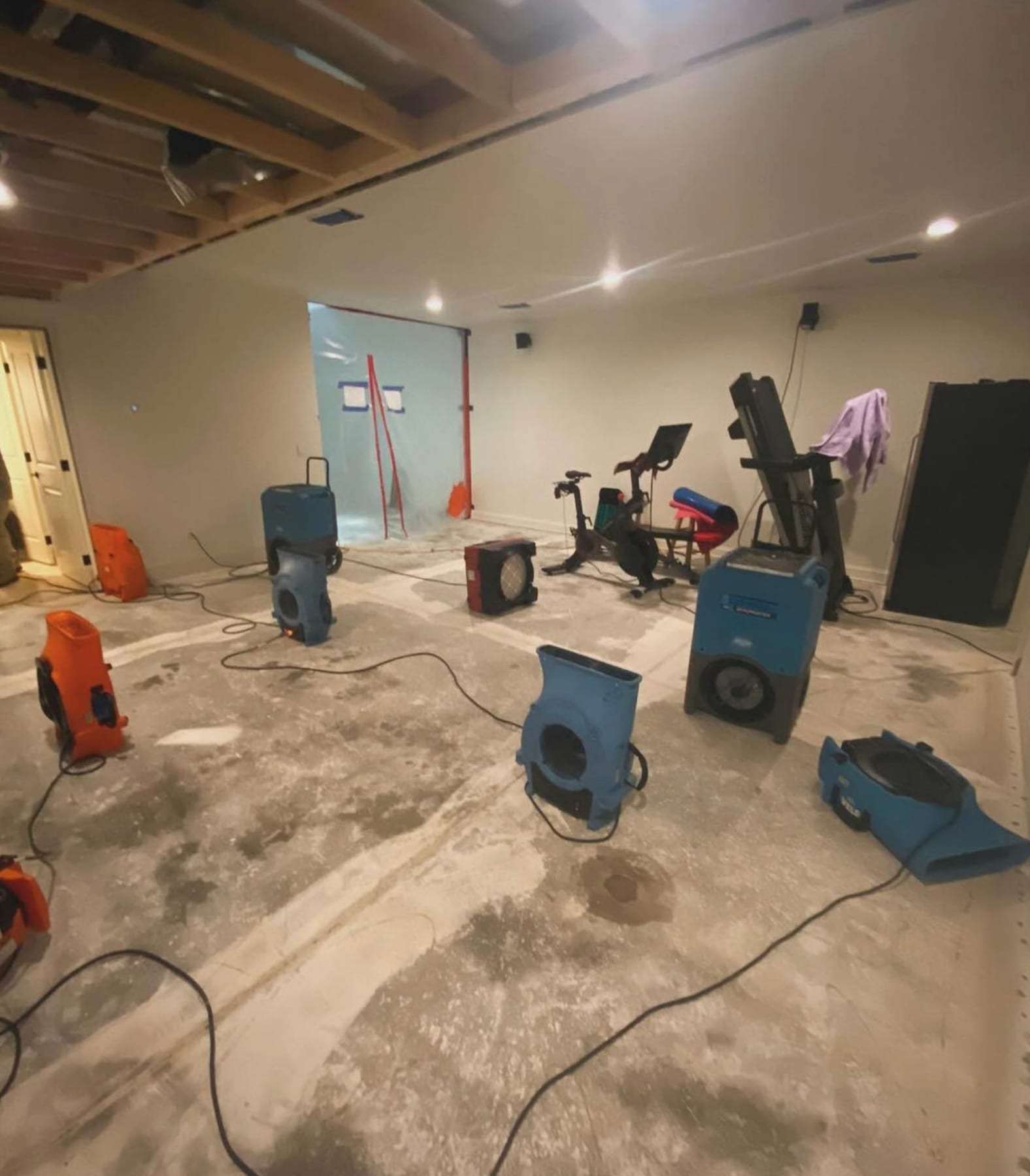
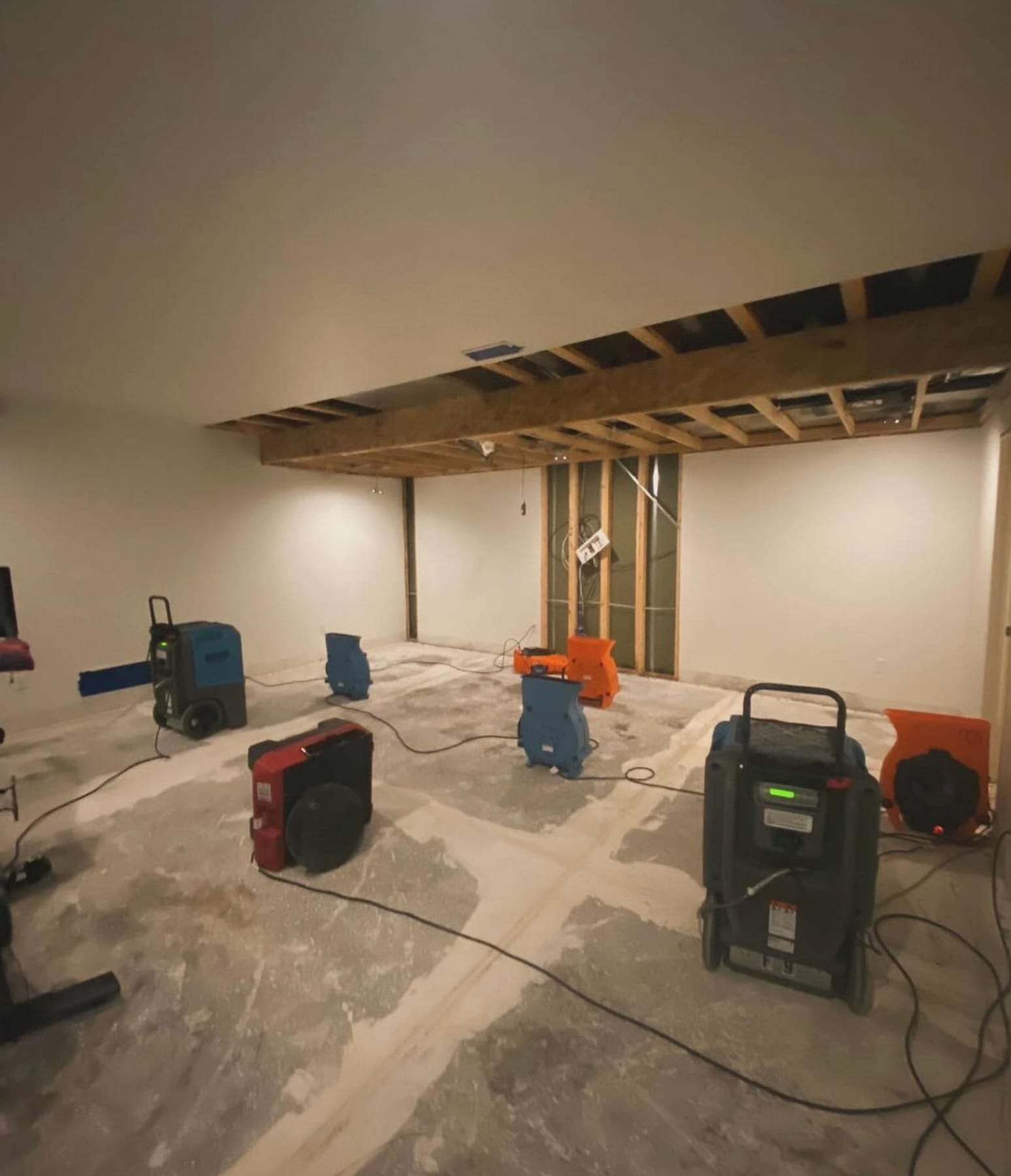
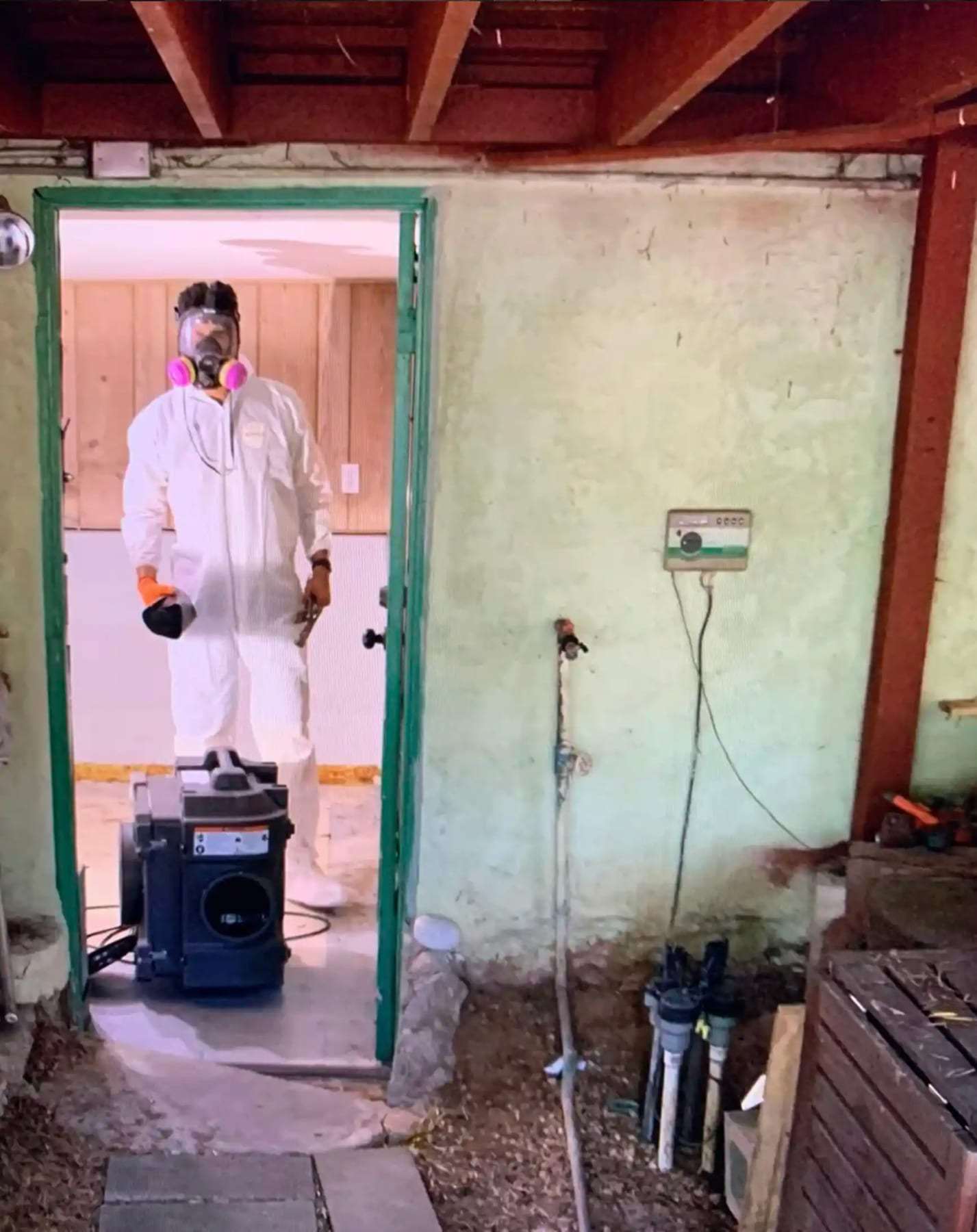
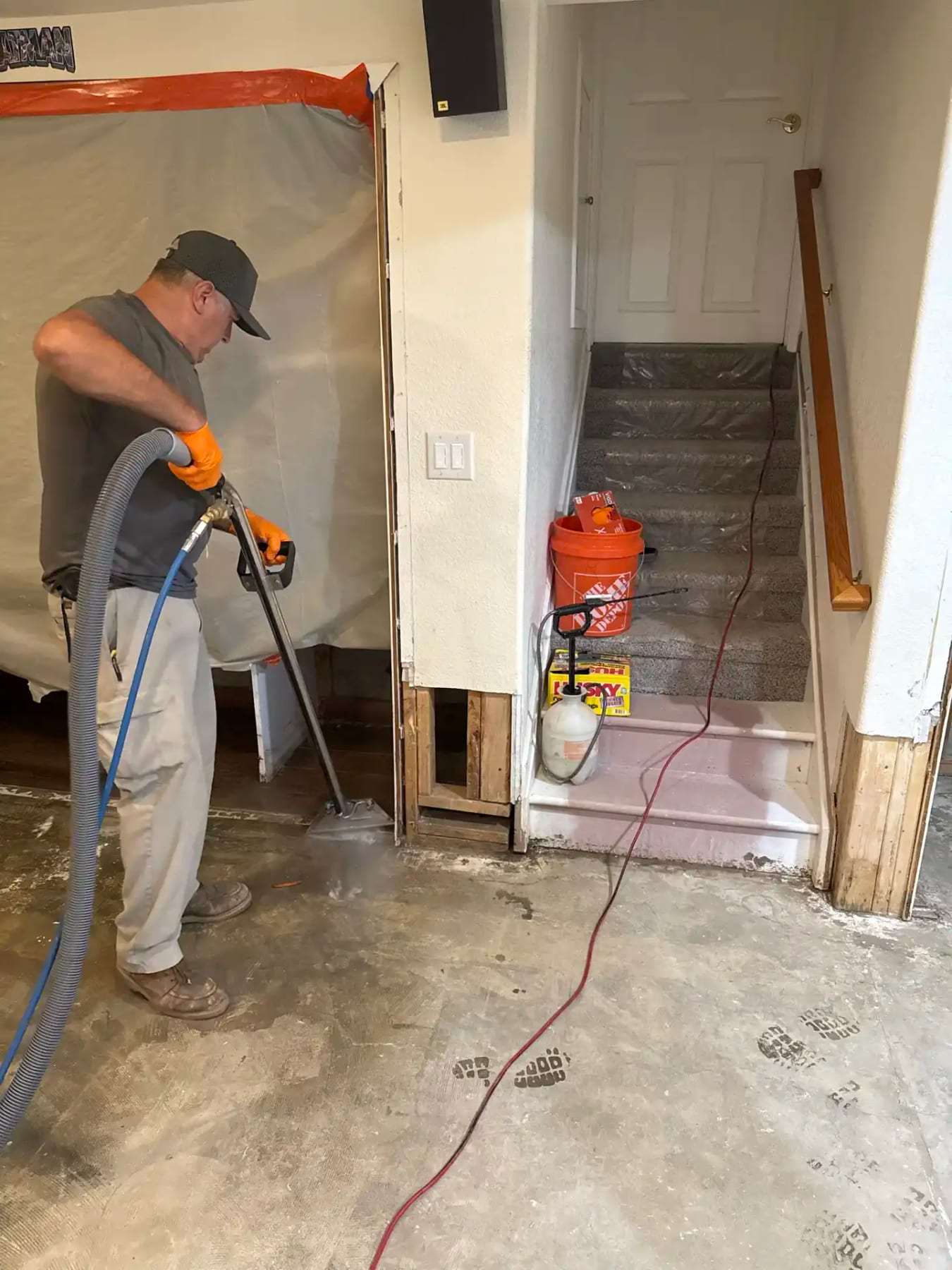
Whatever the source, the job is the same in outline: pump out standing water, remove what can't be dried, dry the concrete, framing, and remaining finishes with commercial equipment, confirm with moisture readings, then rebuild.
Clean water from a pipe allows more to be saved, while groundwater and sewer water require removing more material.
Englewood is an older inner-ring suburb directly south of Denver in Arapahoe County, with many homes built from the 1920s through the 1950s: brick bungalows, small cottages, and post-war ranches, many with basements that were finished long after construction. The South Platte River runs along the city's western edge.
Older homes can have aging foundations, original sewer lines, and window wells that were never designed for finished living space below. Summer thunderstorms along the Front Range can drop heavy rain quickly, and that's when many of these basements take on water.
ZIP codes served: 80113 (Englewood), 80110 (Englewood).
Also nearby: 80210, 80236, 80121, 80223, 80222, 80120, 80219, 80209, 80237, 80123, 80224, 80246, 80122, 80235, 80231, 80203, 80218, 80206.
Most basement jobs follow this sequence; contaminated water adds removal and sanitizing steps.
Check electrical hazards, identify the source, and classify the water.
Remove standing water with pumps and extraction equipment.
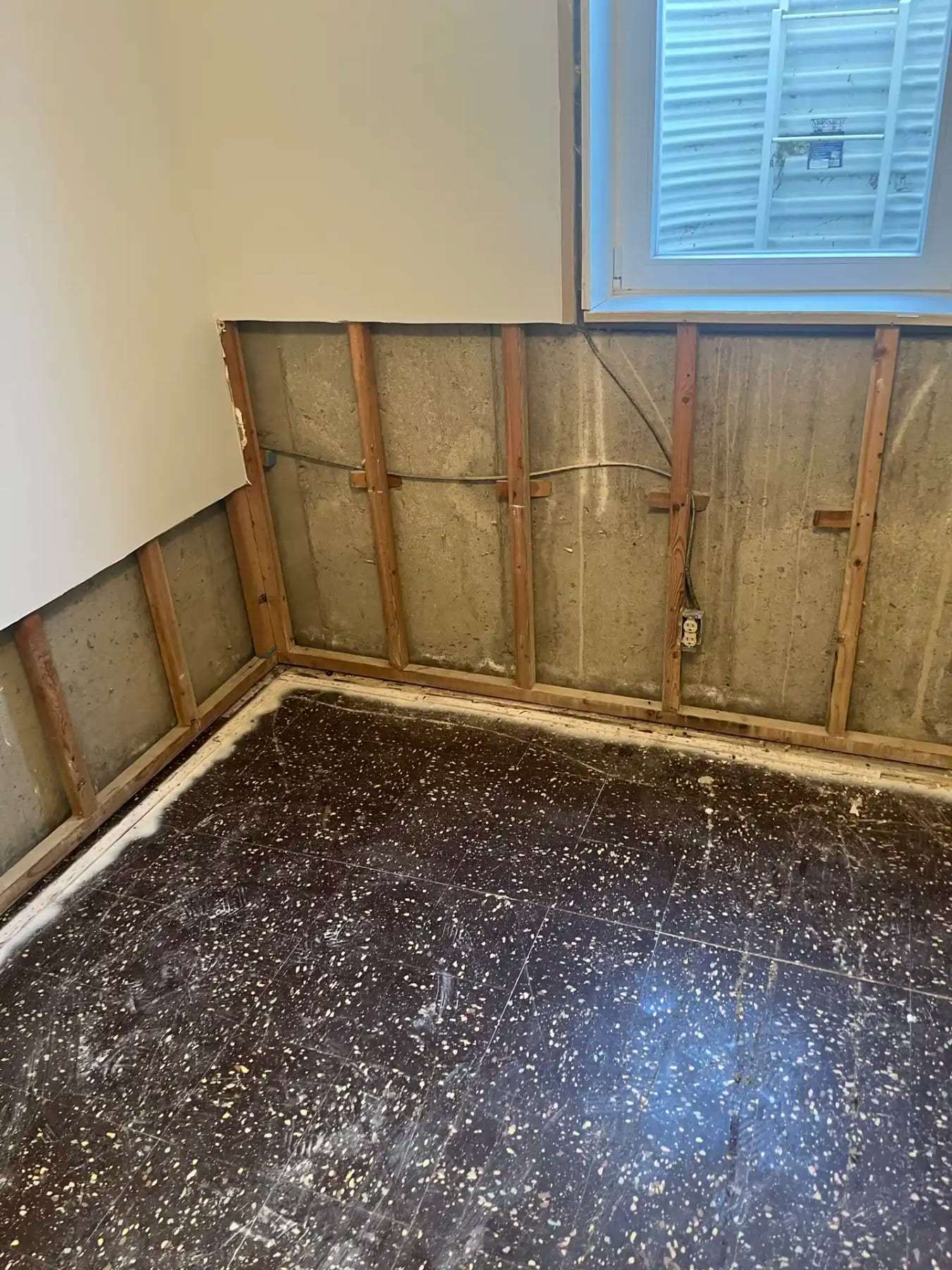
Pull carpet pad, wet insulation, and lower drywall where they can't be dried.
Run dehumidifiers and air movers against walls and slab, monitoring moisture daily.
Rebuild walls and replace flooring once the basement is dry.
Guides and tools on sources, drying and preventing the next one.
This form is not connected. This website is a draft preview: no business has been confirmed to receive requests, so the fields below are switched off and nothing can be sent. In an emergency, call 911.
As quickly as possible. Mold can begin to grow on damp materials within about 24 to 48 hours, and finishes like drywall and carpet keep absorbing water as long as it's present.
For small amounts of clean water, a wet/dry vacuum can help. For deeper water or large areas, professional pumps and extraction equipment remove water much faster, and drying equipment is still needed afterward.
Pad is almost always replaced. Carpet may be saved after a clean-water event if drying starts quickly; it's discarded after groundwater or sewage flooding.
Concrete absorbs water and releases it slowly. Dehumidifiers continue running until moisture readings in the slab and walls return to normal.
It depends on the cause. Sudden pipe or appliance failures are often covered; groundwater flooding generally requires separate flood insurance; sewer backups often require an endorsement. Check your policy.
Keep gutters and downspouts clear and extended, slope soil away from the foundation, maintain window-well drains, test the sump pump, and consider a battery backup.
Concrete holds a lot of water and releases it slowly, basements are cool (so evaporation is slower), and there's often less airflow. Dehumidifiers do most of the work. Readings are taken on the slab, framing and drywall, and finishes go back only after readings return to normal.